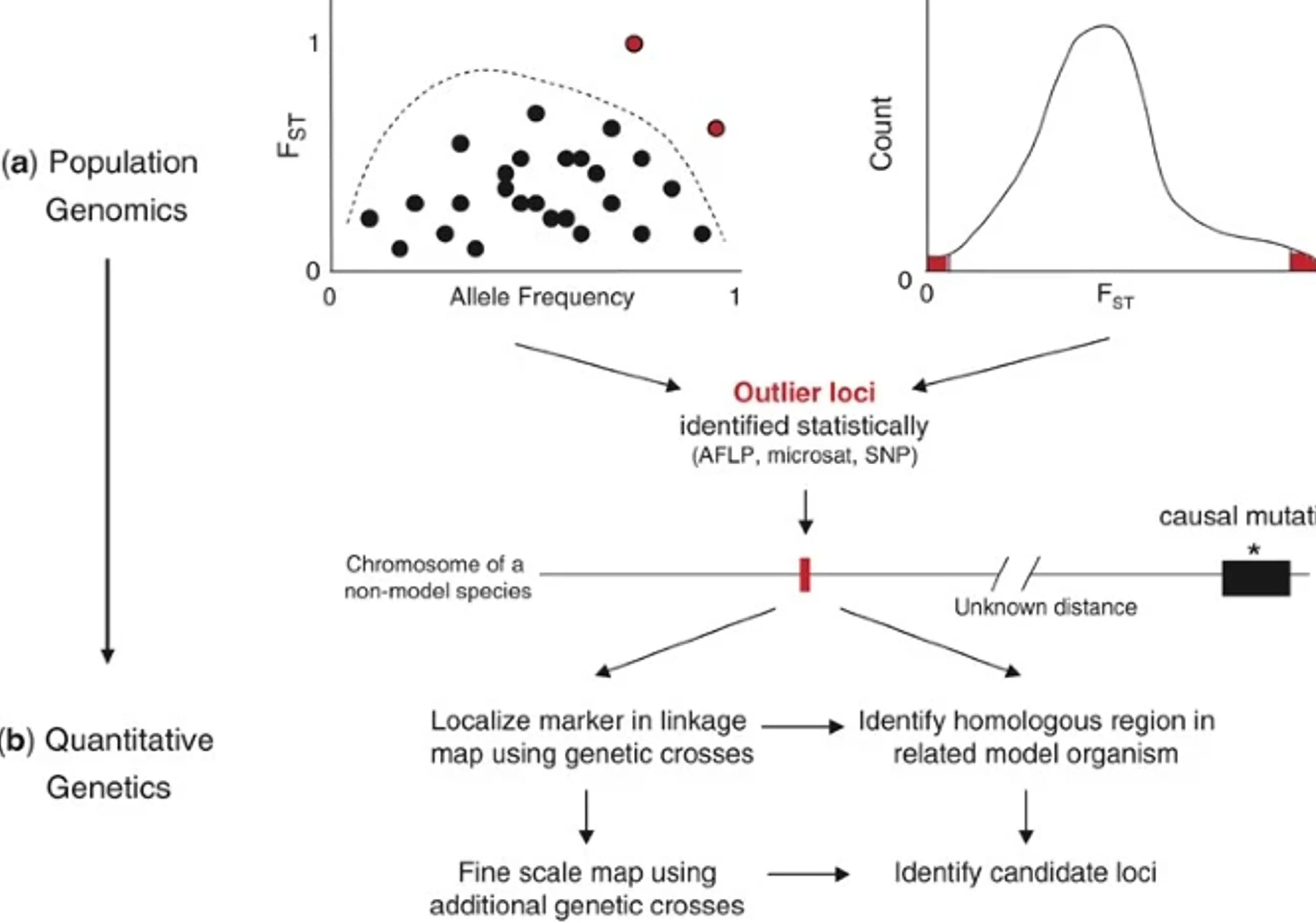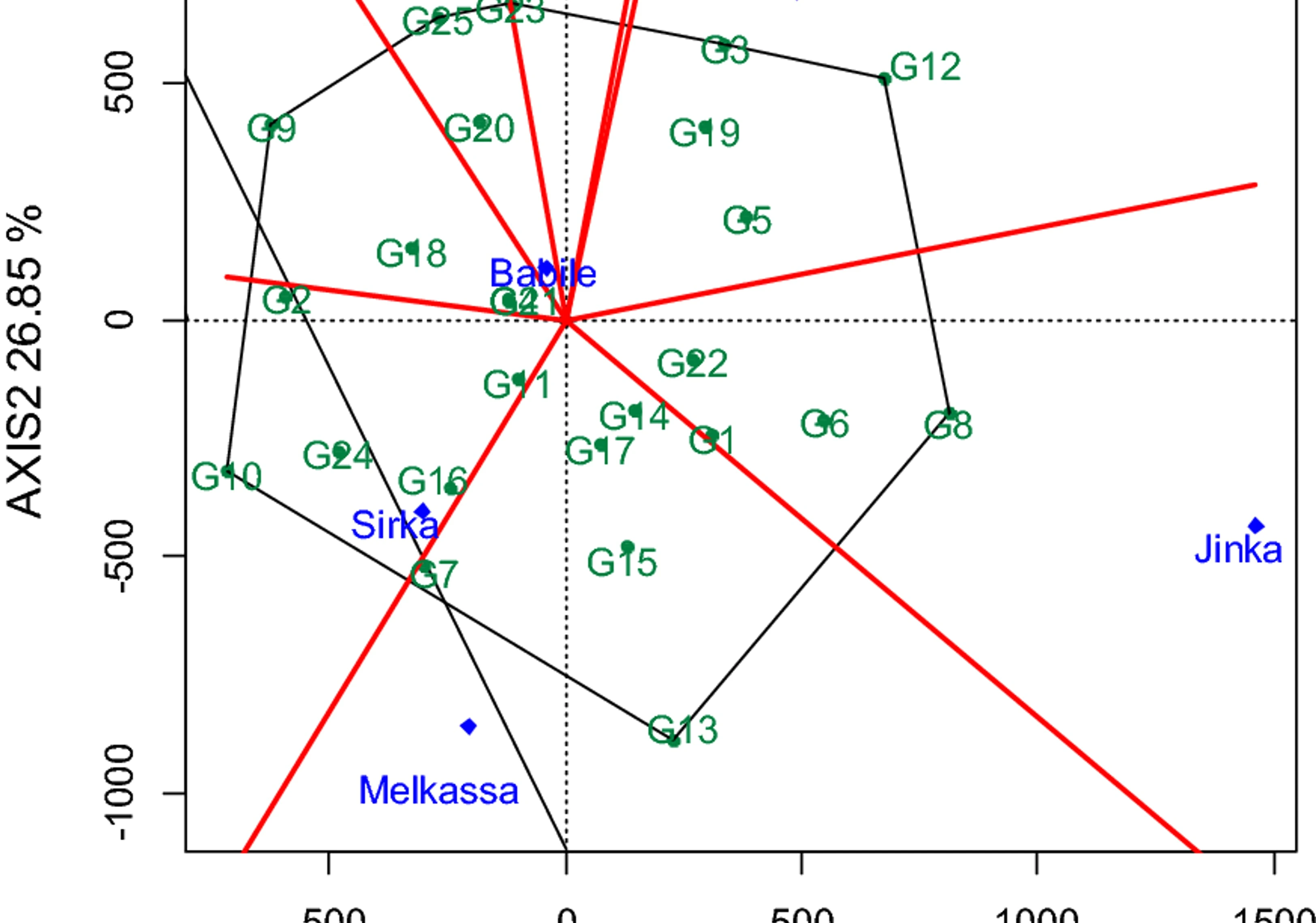

My sugarcane breeding program is anchored in five interconnected research areas that collectively drive the development of superior, future-ready cultivars for Punjab and beyond. At its core, the program focuses on variety development — the systematic creation and evaluation of high-yielding sugarcane clones with enhanced sucrose content, superior ratooning ability (the capacity for vigorous regrowth after each harvest cycle), early maturity, and broad adaptability across the diverse agro-climatic zones of Punjab and neighboring regions, ensuring that released varieties perform consistently under varied soil types, rainfall patterns, and temperature regimes. Complementing this is a rigorous emphasis on disease and pest resistance, where systematic multi-location screening and targeted breeding are employed to develop cultivars with durable, stable resistance to economically significant sugarcane diseases — including red rot, smut, and wilt — as well as major insect pests, thereby safeguarding crop yields, reducing dependence on chemical inputs, and strengthening long-term agricultural sustainability. Recognizing that conventional breeding alone cannot meet the pace demanded by modern agriculture, the program actively integrates advanced breeding technologies — including molecular markers, marker-assisted selection (MAS), genomic selection, and contemporary biotechnological tools — to accelerate breeding cycles, sharpen selection precision, dissect the genetic architecture of complex quantitative traits, and ultimately maximize genetic gain per unit of time and investment. Underpinning all of this is a commitment to broadening the genetic base of the sugarcane breeding program through the systematic collection, conservation, and characterization of diverse germplasm accessions, combined with strategic hybridization schemes that introduce novel genetic variation, expand trait diversity, and build inherent resilience against emerging biotic and abiotic stresses — ensuring the long-term adaptability and durability of the breeding pipeline. Finally, with an eye toward the future of agriculture and energy security, the program is engaged in the development of multi-purpose cultivars designed not only for conventional sugar production but also for bioethanol generation and bioenergy applications, aligning with national priorities for renewable energy, reduced carbon footprints, and climate-resilient agricultural systems that serve both the farming community and the broader society.
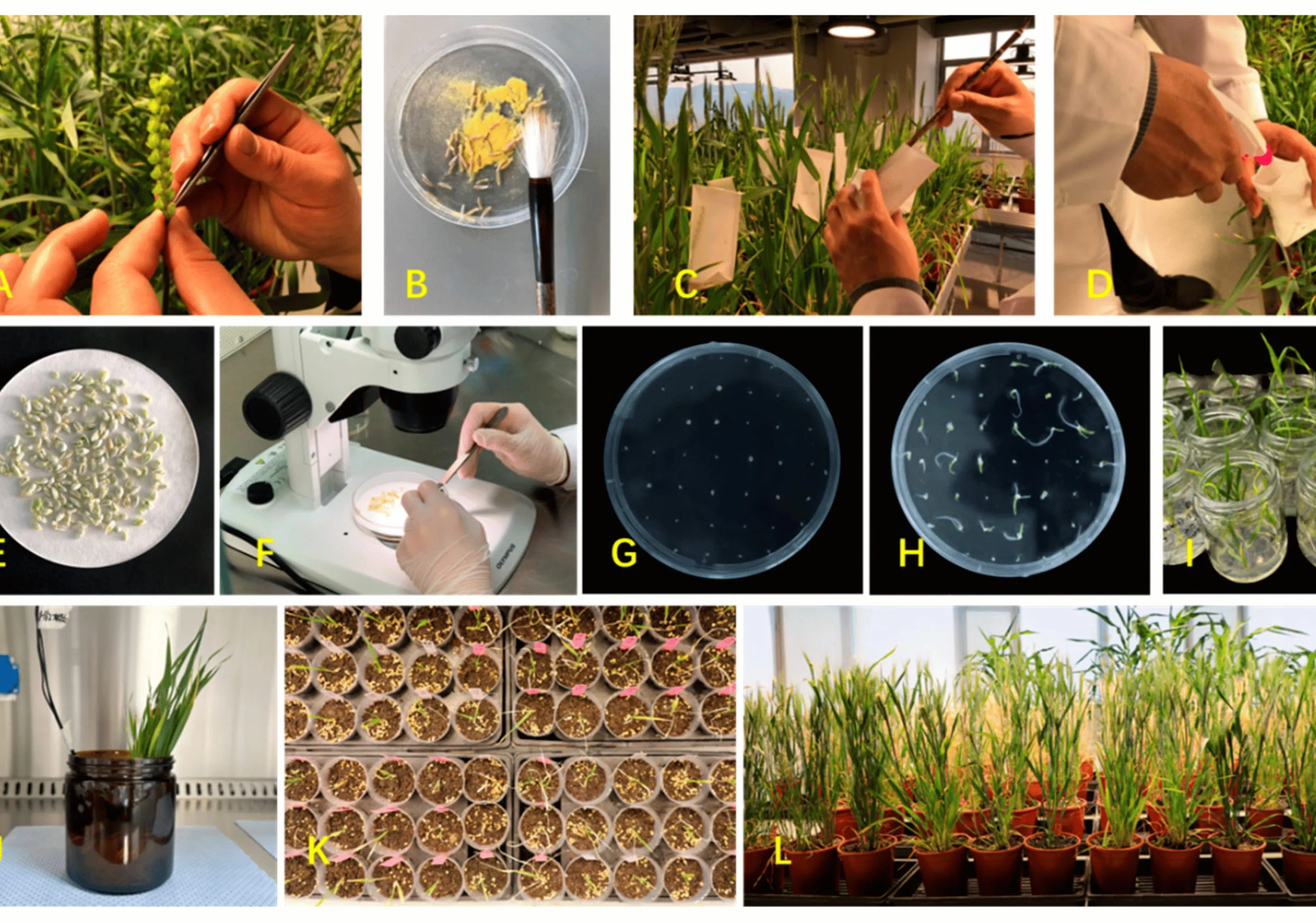
previously my research in wheat and cotton spans various disciplines and aims to improve crop yield, quality, and resilience to environmental stresses and pests. In wheat, research focuses on breeding for disease resistance, drought tolerance, and improved nutritional content. Scientists employ advanced breeding techniques such as marker-assisted selection and genomic selection to accelerate the development of new cultivars with desired traits. Additionally, research explores agronomic practices to enhance soil health, water use efficiency, and sustainable production. In cotton, research efforts concentrate on enhancing fiber quality, pest and disease management, and reducing environmental impact. Genetic engineering plays a crucial role in developing cotton varieties resistant to pests like bollworm and tolerant to herbicides. Moreover, researchers explore innovative farming techniques such as precision agriculture and integrated pest management to optimize resource use and minimize chemical inputs. Collaborative efforts between public institutions, private companies, and agricultural organizations drive advancements in wheat and cotton research. Sharing knowledge and resources facilitates the development and adoption of improved technologies and practices, ultimately benefiting farmers and consumers alike by ensuring a more sustainable and resilient agricultural system.